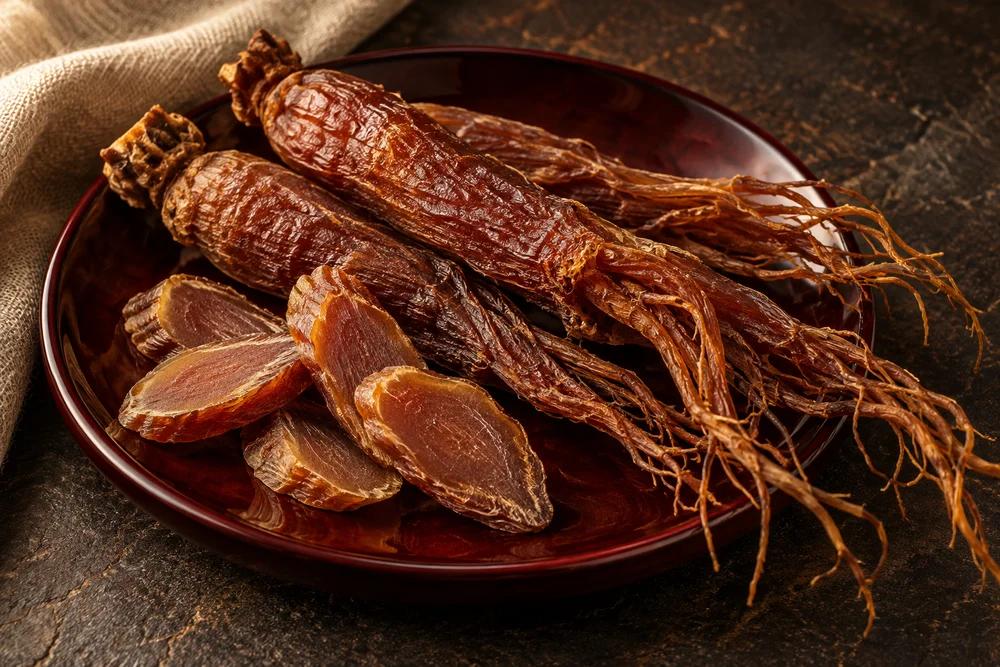
Why do red ginseng extract and ginseng powder appear in the same bottle?
In the ingredient list of CIZHUANG beverages, red ginseng extract (200mg/bottle) and ginseng powder (solid beverage) coexist. This is not duplicate addition, but two different ingredient forms: extract is the concentrated product of red ginseng after water extraction, while ginseng powder is the powder ground from dried ginseng. Supplier information shows that the red ginseng extract has a specified added amount, while the ginseng powder is not separately labeled. This combination is common in foods, intended to make the ingredient list more complete, but the amount of raw material added does not equal the content of active ingredients, nor can efficacy be inferred.
If you are comparing different products, pay attention to the ordering and labeling of the ingredient list. For a breakdown of the ingredient forms of red ginseng extract and ginseng powder, another article provides more detail: Red Ginseng Ingredient Forms.
With sweeteners, why can't it be called a sugar-free beverage?
Because "sugar-free" has a clear labeling threshold, and this product contains red date extract, concentrated fruit juice, and added sucralose. Sucralose is a sweetener that provides sweetness but is not sugar; red date extract and concentrated fruit juice may themselves carry sugars. Supplier information explicitly states: the ingredients contain red date extract, concentrated fruit juice, and sucralose sweetener, and no sugar-free claim is made. For sugar content and other nutritional values, please refer to the actual nutrition label.
In other words, sweeteners replace part of the sweetness of sugar, but that does not mean the product is sugar-free. When shopping, looking at the "sugars" line on the nutrition label is more direct than looking at the word "sweetener."
Three iron sources: how to read them in the ingredient list?
Three iron sources appear in the ingredient list: heme iron, ferrous glycinate, and sodium ferric EDTA. They are all food ingredients, not drugs. The information does not give the specific added amount of each iron source, nor does it provide iron content testing data, so the "iron supplementation" effect cannot be calculated. If you suspect iron deficiency, you should first seek professional evaluation rather than relying on a food product to replace diagnosis.
How to drink and store it in daily life?
Product information recommends drinking after meals, shaking well before drinking, and drinking immediately after opening. Each bottle is 50mL, and each box contains 7 bottles. For the daily portion, please follow the actual sales package label, and do not treat "10 bottles a day" as a recommendation. Store in a cool, dry place, away from direct sunlight; the shelf life is 18 months, and the expiry date is on the bottle. For storage details and sweetener questions, please refer to: Storage and Sweeteners.
Who is it suitable for, and who needs to avoid it?
This is a ready-to-drink food containing red dates, red ginseng, and various peptides, not a drug, and it cannot replace a balanced diet. It is not suitable for infants and young children, pregnant women, breastfeeding women, children under 14 years old, or people allergic to fish. It contains animal-derived ingredients and is not vegetarian. If you are taking medication or have special dietary needs, please consult a medical professional before purchasing.
Treat it as one choice in your daily diet, not as a "solution" for improving fatigue or iron supplementation. If you experience persistent fatigue, discomfort, or suspect iron deficiency, seek professional evaluation first. To learn about the product's basic information, see Red Ginseng Ejiao Peptide Daily Nourishing Drink.