500 micrograms first: look at the unit — it is the amount of raw material added
How should the 500 micrograms in CIZHUANG beverage bird's nest peptide be understood? The most direct answer is: 500 micrograms (μg) is the amount of bird's nest peptide added per bottle stated in the product information; it is not the sialic acid content, nor is it an efficacy dose. A microgram is a unit of weight, and 1 milligram equals 1,000 micrograms, so 500 micrograms is 0.5 milligrams. This figure appears in the ingredient list to indicate how much bird's nest peptide raw material is included in the formula, not to tell you how much of a specific nutrient you will get from drinking one bottle.
The first step in understanding this kind of number is to distinguish between "amount of raw material added" and "content of active ingredients." The product information clearly states that the value is the amount of raw material added, not the content of active ingredients or nutritional iron. In other words, the 500 micrograms on the label cannot be directly converted into the intake of some active component. When shopping, if you see a similar number, first check whether it refers to a raw material or a component, and then decide whether it is meaningful for you as a reference.
What other information in the ingredient list is worth reading
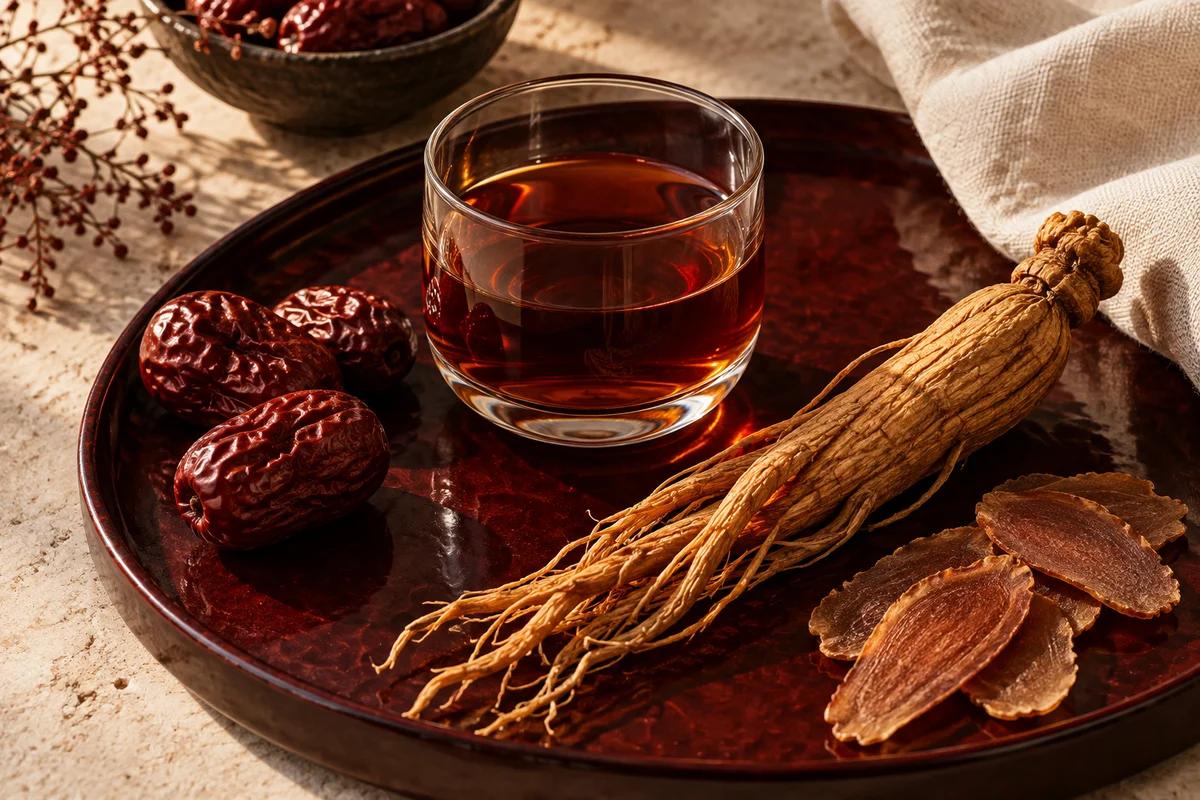
Take the iron-rich red ginseng ejiao peptide blood protein polypeptide beverage (red ginseng ejiao peptide · daily nourishment drink) as an example. Its ingredients include red date extract (6000mg per bottle), red ginseng extract (200mg per bottle), sea cucumber peptide, American ginseng powder, ejiao peptide, blood protein polypeptide (10mg per bottle), bird's nest peptide (500μg per bottle), and so on. These figures are likewise amounts of raw materials added, not efficacy data. When reading the label, you can focus on three places: the order of the ingredient list, the per-bottle added amount labeling, and the statement of unsuitable groups.
This product has 7 bottles per box and 50mL per bottle. It is a ready-to-drink food, not a medicine, and cannot replace a balanced diet. The ingredients include red date extract, concentrated fruit juice, and the sweetener sucralose; it does not claim to be sugar-free. For sugar content and other nutritional values, please refer to the actual nutrition label. If you are managing sugar intake, this step cannot be skipped.
Regarding the relationship between sweeteners and "sugar-free," you can read more in Sweetener misconceptions, which explains why containing sucralose does not equal sugar-free.
Comparison with bird's nest peptide drink: look at the scenario, not at which is higher or lower
If you compare the red date red ginseng drink with the bird's nest peptide drink, the dimension is not "which is better," but rather that the ingredient structure and drinking scenarios are different. The ingredients of the red date red ginseng drink lean more toward red dates, red ginseng, ejiao peptide, multiple peptides, and iron sources; the bird's nest peptide drink uses bird's nest peptide as one of its raw material points. Both are ready-to-drink foods, and neither can promise improvement effects or a number of days to take effect after drinking.
| Comparison dimension | Red date red ginseng drink | Bird's nest peptide drink |
|---|---|---|
| Volume per bottle | 50mL | 50mL |
| Bird's nest peptide added amount | 500μg per bottle | Subject to the actual label |
| Source of sweetness | Contains sucralose, not sugar-free | Contains sweeteners, not sugar-free |
| Suitable scenario | Daily drinking after meals | Daily drinking, arranged according to the label |
| Unsuitable groups | Infants and young children, pregnant women, breastfeeding women, children under 14, and people allergic to fish | Subject to the actual label |
The table lists only items that can be verified in the materials and does not infer other differences. If you care more about the daily arrangement for the bird's nest peptide drink, you can refer to How to arrange one bottle, which explains the 50mL drinking rhythm in more detail.
Daily proposal: fit drinking into existing habits
The key to making self-care a small habit is to reduce extra steps. The product information suggests drinking after meals, shaking well before drinking, and drinking immediately after opening. You can place it in a fixed spot after lunch or dinner, in the same action sequence as clearing the table and drinking water. For the daily portion, please follow the actual sales packaging label and do not increase the amount on your own.
For storage, keep it in a cool, dry place and avoid direct sunlight; the shelf life is 18 months, and please see the bottle for the expiration date. Drink immediately after opening and do not store it.
Before purchasing, do three checks: first, read the ingredient list and the unsuitable groups, and confirm that you are not among infants and young children, pregnant women, breastfeeding women, children under 14, or people allergic to fish; second, check the sugar content in the nutrition label and do not accept "sugar-free" implications; third, if you are taking medication or have special dietary needs, ask a medical professional first. It contains animal-derived ingredients and is not vegetarian.
Clarify the boundaries: it is food, not a solution for iron deficiency
This product does not promise improvement effects or a number of days to take effect after drinking. If you continue to feel tired, unwell, or suspect iron deficiency, you should first seek professional evaluation rather than replace an examination with a beverage. Treat red ginseng ejiao peptide daily nourishment drink as one of the choices in your daily diet and drink it according to the label. Understanding the number 500 micrograms is ultimately about reading the label and making the right choice, not about treating it as an efficacy promise.