The ingredient list and the nutrition label answer two different questions
Pick up a bottle of iron-rich red ginseng ejiao peptide blood protein polypeptide drink, and two pieces of information on the packaging are most easily confused: the ingredient list and the nutrition label. Simply put, the ingredient list answers "what is in it and how much of each raw material was added," while the nutrition label answers "how much sugar, protein, and so on you take in when you drink this bottle." The two cannot substitute for each other.
This product comes in boxes of 7 bottles, each 50mL. The ingredients are compiled from supplier materials; the actual retail label prevails. The ingredient list is arranged from most to least by amount added. After water comes red date extract, listed at 6000mg per bottle; red ginseng extract, listed at 200mg per bottle; blood protein polypeptide, listed at 10mg per bottle; bird's nest peptide, listed at 500μg per bottle; and pyrroloquinoline quinone disodium salt, listed at 2mg per bottle. These values are raw material addition amounts, not active ingredient contents, and not nutritional iron content.
The nutrition label, by contrast, requires looking at the specific values for sugar, protein, energy, and so on per bottle or per 100mL. This product's ingredients include red date extract, concentrated fruit juice, and the sweetener sucralose. It does not claim to be sugar-free; for sugar content, please refer to the actual nutrition label. To learn more about the rhythm of drinking it after meals, see Post-meal iron supplementation habit.
Red ginseng extract and ginseng powder are two ingredient forms
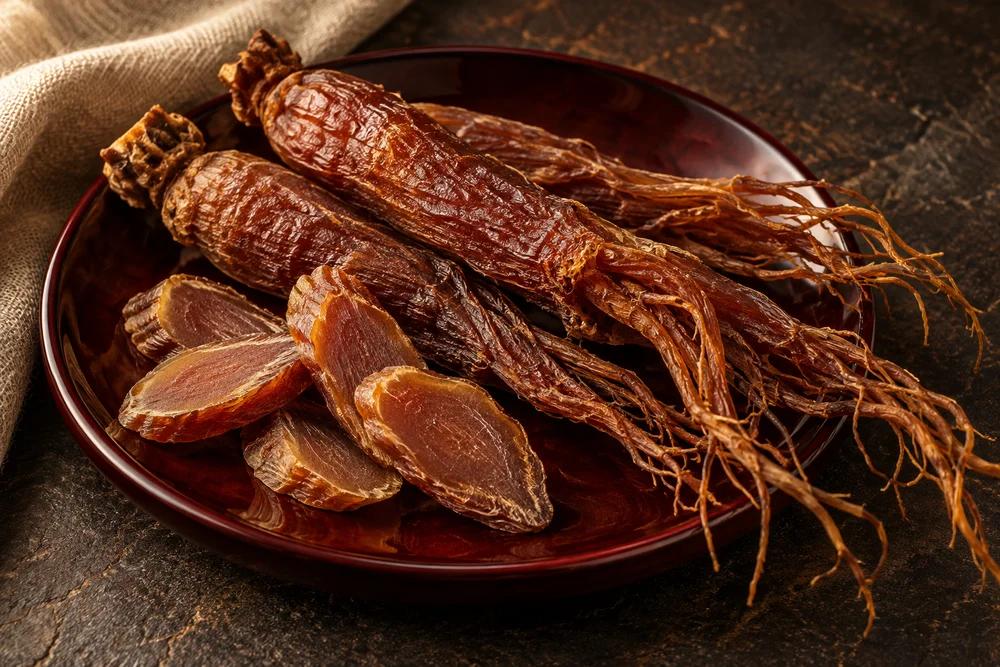
The ingredient list includes both red ginseng extract and ginseng powder; this is not duplicate labeling. Red ginseng extract is the extract form made by adding water to red ginseng, listed in the materials at 200mg per bottle; ginseng powder is a powdered ingredient, listed together with American ginseng powder, codonopsis powder, and others in solid beverage form. The two have different forms, and their positions and labeling methods in the ingredient list also differ.
To understand how these two forms are distinguished on the label, see Red ginseng ingredient forms. It should be noted that the ingredient list setting out raw material addition amounts does not mean the finished product has undergone human efficacy verification; ingredient materials cannot replace finished-product evidence.
Who should not use it: check before purchasing
This product is a food, not a medicine. It cannot replace a balanced diet, and no improvement effect or number of days to see results after drinking is promised. It is not suitable for infants and young children, pregnant women, nursing mothers, children under 14, or people allergic to fish; it contains animal-derived ingredients and is not vegetarian. If you are taking medication or have special dietary needs, please consult a medical professional before purchasing.
If you have persistent fatigue, discomfort, or suspect iron deficiency, you should first seek professional evaluation rather than judging on your own based on a ready-to-drink food.
Drinking, storage, and purchase-check steps
Shake well before drinking, and drink immediately after opening. Product materials suggest drinking after meals; for the daily amount, follow the actual sales packaging label, and do not increase the amount on your own based on the materials. Store in a cool, dry place, away from direct sunlight; the shelf life is 18 months, and the expiry date is on the bottle.
When purchasing, check four things in order: first, look at the first few items in the ingredient list to confirm the main ingredients and the source of sweeteners; second, look at the sugar and protein values on the nutrition label; third, look at the unsuitable-population notice on the packaging; fourth, look at the expiry date on the bottle. If you want to learn about the complete ingredients of this product, you can view the product page for Red Ginseng Ejiao Peptide Daily Nourishing Drink.
Turning caring for yourself into a small habit does not depend on a single purchase decision, but on taking one extra look at the label each time you pick up the bottle.